From Ceremonial Seat to Useful Steward: A 90-Day Board Onboarding Plan

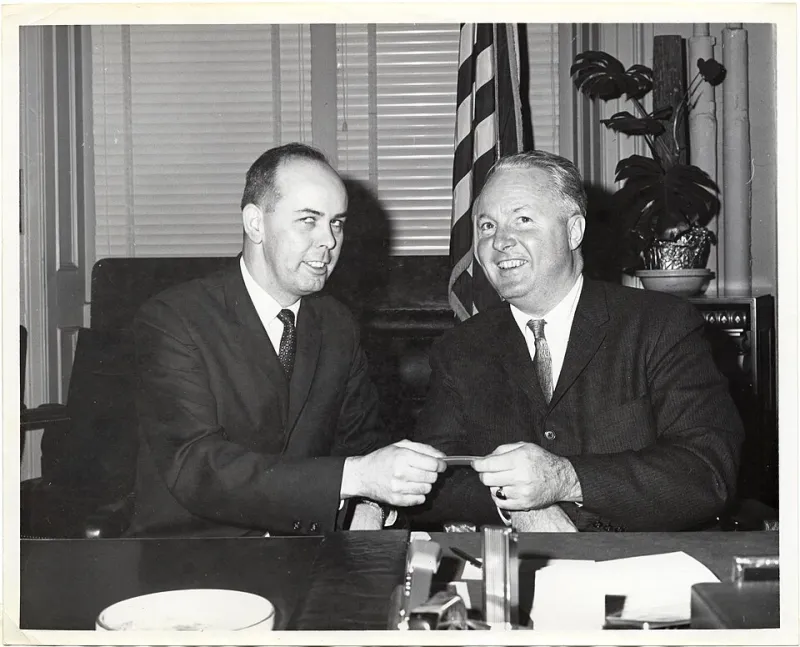
Photo: new nonprofit board member reviewing financial statements with treasurer at a community organization, via imrorwxhoqknlq5p-static.micyjz.com
Board recruitment is often treated as a finish line. The nominating committee finds a respected community member, the board votes, the new member attends a reception, and everyone assumes the work will sort itself out. Too often it does not. The new trustee receives a thick binder, a committee assignment, and a vague invitation to ask questions. Six months later, the same person is quiet in meetings, unsure what the budget actually says, and reluctant to admit it.
Onboarding is not a luxury for large institutions. For community nonprofits, it is a governance necessity. A board member who does not understand the financial statements cannot exercise fiscal oversight. A board member who has never seen the program cannot connect strategy to reality. A board member who has not been asked to do something useful will either disengage or overreach.
The following 90-day plan is designed for small and midsize community nonprofits. It assumes a new board member with good intentions, limited nonprofit experience, and a busy life. The goal is not to turn every trustee into a CPA. It is to make the person useful—and to make the board stronger—by the end of the first quarter.
Before Day One: Send the Right Packet
The onboarding begins before the first meeting. Send a concise packet: bylaws, the most recent audited financial statements, the current operating budget, the most recent Form 990, the strategic plan, the board calendar, committee descriptions, and the conflict-of-interest policy. Add a one-page glossary of terms the organization uses—restricted funds, reserves, in-kind gifts, program vs. general operating. Do not send a 200-page manual and call it orientation.
Assign a board buddy, ideally someone who has served at least a year and is not the board chair. The buddy's job is to answer the questions a new member may not want to ask in a meeting. Schedule a 30-minute call before the first board meeting.
Days 1–30: Learn the Money and the Mandate
The first month is about financial literacy and mission clarity. The treasurer should walk the new member through the statement of financial position, the statement of activities, and the budget-to-actual report. The conversation should be plain: Where does the money come from? What does it cost to run the organization? How much is restricted? How many months of reserves are on hand? What would happen if the largest grant disappeared?
The executive director or a senior program leader should explain the organization's theory of change. Not the elevator pitch—the actual logic. Who is served? What does the program do? What evidence suggests it works? What does the organization choose not to do? By the end of the month, the new member should be able to explain in five minutes how the organization earns and spends its money.
Days 31–60: See the Work and the Boundaries
A site visit is not optional. The new member should observe a program in action, meet frontline staff, and, if appropriate, speak with participants. The visit should include a debrief: What did you see? What surprised you? What questions does it raise for the board? This is where strategy becomes concrete.
The second month is also the time to cover conflict-of-interest basics. The new member should read the policy, disclose any affiliations, and understand recusal. The conversation should be practical: If a vendor is a friend, say so. If a family member is a client, disclose it. If a vote could benefit a business, step out. Confidentiality belongs here too: board discussions stay in the room, and participant stories are not marketing material without consent.
Committee expectations should be settled by day 60. The new member should know which committee they will join, how often it meets, what it is responsible for, and what preparation is expected. A committee assignment without a clear charter is a recipe for drift.
Days 61–90: Own One Meaningful Assignment
The most common onboarding mistake is assigning busywork. A new member who is asked to stuff envelopes or join a gala committee may learn nothing about governance. Instead, give one bounded, meaningful assignment with a clear deliverable and a staff partner. Examples: review a program dashboard and present three questions to the board; interview three community partners about referral pathways; map one donor segment and recommend a stewardship step; draft a board resolution on a routine policy; lead the debrief after a site visit.
The assignment should be small enough to finish in six weeks and important enough to matter. It should not be a test. It should be a bridge between the new member's expertise and the board's work.
The 90-Day Check-In
At the end of the quarter, the board chair and executive director should hold a short check-in. Ask four questions: Do you understand the finances? Do you know the programs? Do you understand your legal and ethical obligations? Do you feel useful? The answers may reveal gaps in the plan, not in the person.
Common Failure Modes
The plan fails when boards confuse information with onboarding. It fails when the conflict-of-interest policy is signed but never discussed. It fails when a new member is left without a committee or a buddy. And it fails when the board never asks whether the new member is actually contributing.
A 90-day plan will not solve every governance problem. It will, however, replace the ceremonial seat with a useful steward. That is the difference between a board that meets and a board that governs.