The Currency You Can't Bank: How Hyperlocal Nonprofits Earn — and Lose — Community Trust

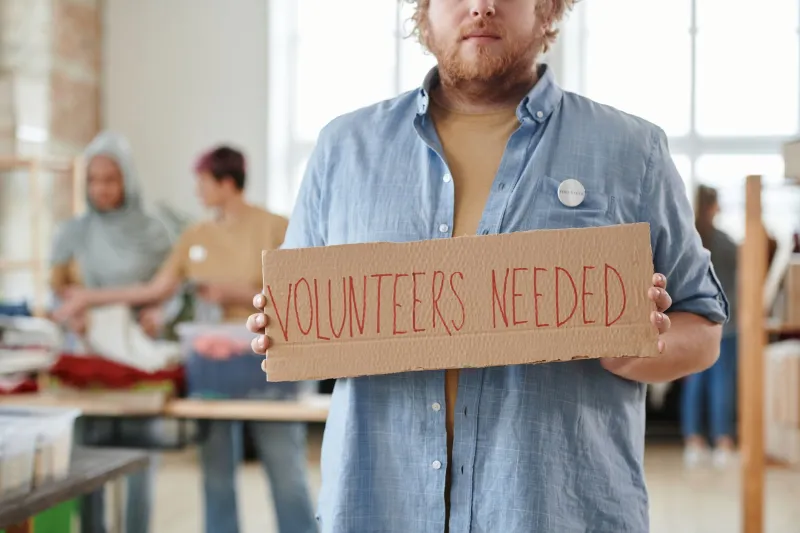
In the small city of Lawrence, Massachusetts, a food pantry faced a decision last year that had nothing to do with food. Its founding director, who had run the organization for over a decade, was stepping down. Rather than hiring a replacement behind closed doors, the board held an open community meeting, published the transition budget in English and Spanish, and invited residents to submit questions in advance. Attendance was modest. The gesture was not. The pantry's volunteer sign-ups grew in the months that followed — not because of the meeting itself, but because residents had been treated as stakeholders rather than an audience.
Scenes like this unfold, or fail to unfold, in thousands of communities across the United States. And in hyperlocal nonprofit work, they often matter more than any grant award or gala. Trust is the operating capital of the neighborhood organization. It cannot be purchased, inherited, or quickly rebuilt once spent.
Why Trust Weighs More at the Local Level
National surveys have documented a long erosion of confidence in American institutions — Congress, the media, large corporations, and yes, major charities. But something counterintuitive happens at the block and neighborhood scale: skepticism toward institutions in the abstract frequently coexists with deep loyalty to the specific. The church basement that hosts the tutoring program, the mutual aid group that showed up after the flood, the community land trust that kept rents from spiking — these organizations are judged not by their mission statements but by their track records on the ground.
This is both an advantage and a vulnerability. A national nonprofit can absorb a scandal and survive on the strength of its brand. A two-person community organization cannot. When a grassroots group breaks faith — mismanages a dollar, ignores a resident's concern, makes a promise it doesn't keep — the news travels by text message before the day is out. There is no marketing budget large enough to outrun that.
The Mechanics of Earning It
Organizations that maintain durable community trust tend to share a handful of observable practices, none of which require significant funding.
Transparent money, plainly explained. The most trusted small groups publish their budgets — not glossy annual reports, but actual numbers, posted where residents actually look: a bulletin board, a Facebook page, a printed flyer at the entrance. One Detroit neighborhood association goes further, holding a quarterly "open books" hour where anyone can ask why a dollar was spent. The practice costs nothing and signals everything.
Resident authority, not resident input. There is a meaningful difference between asking a community for feedback and putting the community in a position to decide. Groups with majority-resident boards make decisions differently — slower sometimes, but with a legitimacy that no communications strategy can replicate. The question residents learn to ask is not "what are they doing?" but "who are they?" When the answer includes familiar faces from the block, the presumption of good faith follows.
Accountability in public. Trust-building organizations hold their own feet to the fire in front of witnesses. Annual public meetings where results are reported against prior commitments — including the commitments that fell short — convert skeptics more reliably than any success story. Admitting a missed goal, and explaining what changed, is among the most persuasive acts a small organization can perform.
A Trust Audit for Community Organizations
Any grassroots group can assess its own standing with four questions, best answered honestly and in writing:
- Can a resident find out how money was spent last year in under five minutes? If not, transparency is aspirational rather than real.
- Who holds decision-making power? Count the board seats actually held by people who live in the community served. Percentages matter more than intentions.
- When was the last public accounting? If the organization has not reported results — good and bad — to an open community meeting within the past year, the ledger is running a deficit.
- What happened the last time the organization failed? Every organization fails at something. Whether the failure was acknowledged, explained, and repaired is the truest measure of institutional character.
The One Asset That Compounds
In an era when Americans increasingly doubt large institutions, small community organizations hold a structural advantage: proximity. They can out-earn national nonprofits on trust because trust at the local level is earned in person, repeatedly, over time — through the staff member who remembers a name, the meeting that started on time, the budget posted on time.
This is not a soft asset. It determines whether residents show up to volunteer, whether they give their modest but meaningful donations, and whether they advocate when the organization needs a zoning variance or a city grant. Funders and nonprofit leaders alike would do well to treat community trust as what it truly is: infrastructure, invisible until it fails, and impossible to rebuild quickly. The organizations that tend it deliberately are the ones still standing when the next crisis arrives — and the next community need.