Follow the Dollar: The Untold Journey of a $100 Gift Through a Community Foundation
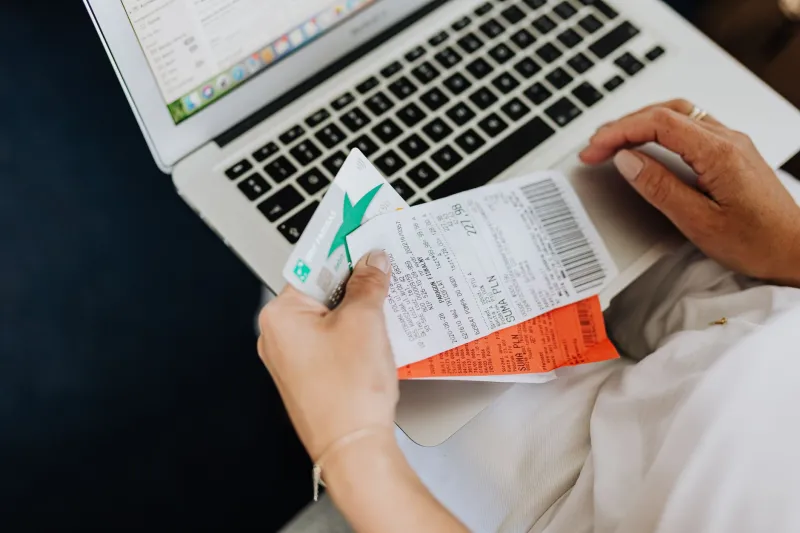
At 2:14 p.m. on a Tuesday, a donor in Ohio clicks 'Give Now' and sends $100 to a community foundation. It takes four seconds. What follows takes months — and most donors never see any of it.
At Fundación SM, we believe transparency builds trust. So we've mapped the full journey of a hypothetical $100 gift, from checkout confirmation to community impact, to give donors a realistic picture of where their money goes and why.
The First 48 Hours: Processing and Fees
Before a single dollar reaches a program, the payment itself costs money. Credit card processing typically runs 2–3 percent, so roughly $2.50 of that gift goes to the payment processor and the donation platform. Some donors cover these fees at checkout, and when they do, 100 percent of their intended gift survives.
Within two business days, the funds settle into the foundation's account and the gift is receipted for tax purposes — a step that matters for donors claiming deductions on their federal returns. The donation is logged, tagged to its designated purpose, and entered into the foundation's donor records.
The Allocation Meeting: Where Priorities Are Weighed
Most foundations don't move money directly from a donation to a program. Instead, gifts flow into pooled or designated funds, and staff or grants committees meet monthly or quarterly to determine how available resources are deployed.
In these meetings, program officers bring forward community needs: a food pantry facing increased demand, an after-school tutoring program that lost a grant, a housing nonprofit needing emergency bridge funding. A $100 gift, on its own, rarely funds any of these alone — but combined with hundreds of others, it becomes part of a grant that does.
This is where a donor's dollars gain leverage. A single unrestricted gift joins a river of contributions that can respond to the community's most urgent needs, rather than being locked into a program that may not need it most.
Program Budgets: The 80/20 Conversation
The question every donor should ask is simple: what percentage of my gift funds programs versus overhead? Reputable nonprofits typically direct 75–85 percent of spending toward programs, with the remainder covering administration, facilities, and fundraising — the infrastructure that makes the work possible.
A foundation's annual report and Form 990, publicly available through IRS records and sites like Charity Navigator, will show this breakdown. Donors who see high overhead should ask why; sometimes the answer is legitimate (a new building, a compliance overhaul), and sometimes it's a red flag.
On the Ground: What $100 Actually Buys
Once allocated, the gift's impact becomes tangible. Depending on the program, $100 can supply a week of groceries for a family through a partner food bank, fund several hours of tutoring, or cover school supplies for multiple students at the start of a semester.
The multiplier effect matters too. A grant to a local workforce program may help someone earn a credential that raises their income for years. A contribution to a community garden feeds families and builds neighborhood connections that outlast any single harvest.
The Questions Worth Asking Before You Give
Informed donors are the best partners a foundation can have. Before giving, consider asking:
- What portion of my gift goes directly to programs?
- Is this organization's annual report or Form 990 available?
- How does the foundation decide where funds are directed?
- Can I track outcomes, not just activities?
Organizations that welcome these questions — and answer them clearly — are usually the ones doing the work well.
The Long Tail of a Small Gift
That $100 donation, clicked on a Tuesday afternoon in Ohio, doesn't vanish into an administrative void. It becomes part of a system: vetted, pooled, allocated, and deployed alongside thousands of other gifts, each one small on its own and substantial together.
Demystifying that journey isn't just good practice — it's how philanthropy earns the public's confidence, one transparent dollar at a time.