The Long Tail of Loss: How Donors Can Give Well After Disaster Headlines Fade
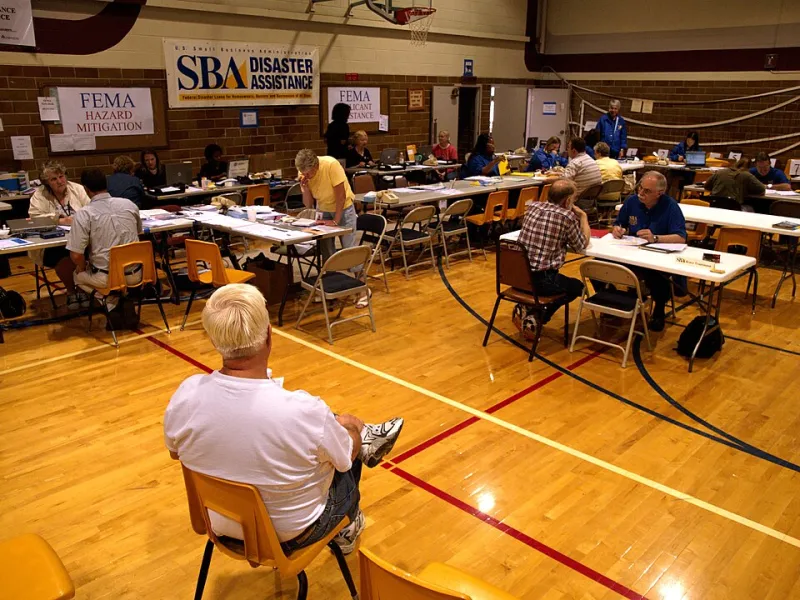
Photo: Amanda Bicknell, Public domain, via Wikimedia Commons
When a hurricane makes landfall, a wildfire breaches a ridge, or a flood overtakes a main street, giving spikes. Donors send money within hours. National campaigns raise millions. Local nonprofits receive an outpouring they could not have planned for. Then the news cycle moves on. The cameras leave, the hashtags fade, and the recovery—the part that takes months or years—begins in relative quiet.
That gap between emergency attention and long-term need is what disaster funders call the long tail. It is not a minor coda to the story. It is the story. Rebuilding homes, replacing documents, navigating insurance claims, restoring small businesses, and addressing trauma all happen after the headlines. Donors who want their money to matter need to plan for that timeline, not just the first forty-eight hours.
The Attention Curve
Disaster giving follows a predictable curve. It rises sharply when the event is visible, peaks within days, and declines as the response becomes routine. The decline is not a sign that needs have been met. It is a sign that attention has moved. Local organizations often report that the hardest months are the ones after the initial wave of volunteers and supplies has gone home.
That is why emergency giving and recovery giving are different disciplines. Emergency gifts buy water, shelter, medication, and immediate safety. Recovery gifts pay for case management, rental assistance, legal aid, mental health services, and the slow work of rebuilding. Both are necessary. But the second is chronically underfunded.
Give Through Local Intermediaries
One of the most effective ways to support the long tail is to give through trusted local intermediaries. Community foundations, United Ways, and long-standing local nonprofits already know the terrain. They can identify gaps, move money quickly, and stay after national organizations have shifted to the next disaster.
That does not mean writing a check without questions. Donors should confirm that the intermediary has a clear disaster fund, a published governance structure, and a track record of getting money to affected communities. Ask how grants will be decided, who sits on the committee, and whether local leaders have real decision-making power. A good intermediary will welcome the questions.
Avoid Duplicative Giving
After a major disaster, national campaigns often dominate the giving landscape. That can be efficient for immediate relief, but it can also leave local needs underfunded. Donors should ask what is already covered and what is not. A community foundation may know that housing assistance is well funded but child care is not. A local legal aid group may be the only provider of help with insurance appeals.
Cash is almost always more useful than donated goods. Used clothing, bottled water, and household items can overwhelm local storage and distribution systems. If a specific item is needed, local organizers will say so. Otherwise, flexible funding lets nonprofits buy what is actually required.
Plan for the Long Tail
Donors can structure a disaster gift in phases. Consider dividing a total pledge into three parts: immediate relief, six-month recovery, and a twelve- to twenty-four-month tranche. A multiyear pledge gives local nonprofits the confidence to hire case managers and plan beyond the next grant cycle.
Ask whether the gift is restricted or unrestricted. Restricted funds are useful when the need is specific, but they can leave organizations unable to pay for the staff and systems that make programs work. If the donor trusts the intermediary, flexible operating support may be the most valuable gift of all.
The Documentation Habit
Urgency is not an excuse to skip due diligence. Verify that the organization is a legitimate 501(c)(3). Keep receipts. Confirm how the gift will be used. But do not let due diligence become paralysis. A five-minute call to a community foundation can prevent a misdirected gift and save a small nonprofit from an administrative headache.
Before the Next Crisis
The most reliable way to give well after a disaster is to decide before one happens. Set a disaster giving budget. Identify two or three trusted intermediaries in regions you care about. Decide in advance how you will split emergency and recovery giving. Write it down.
The next headline will come. The question is whether donors will be ready to stay after the cameras leave. The organizations that carry the long tail do not need another surge of attention. They need patient, flexible, local funding that arrives when the story is no longer on the front page.